Scoping Visits in Tagaytay Help Shape Southeast Asia’s Urban Agrifood Strategies
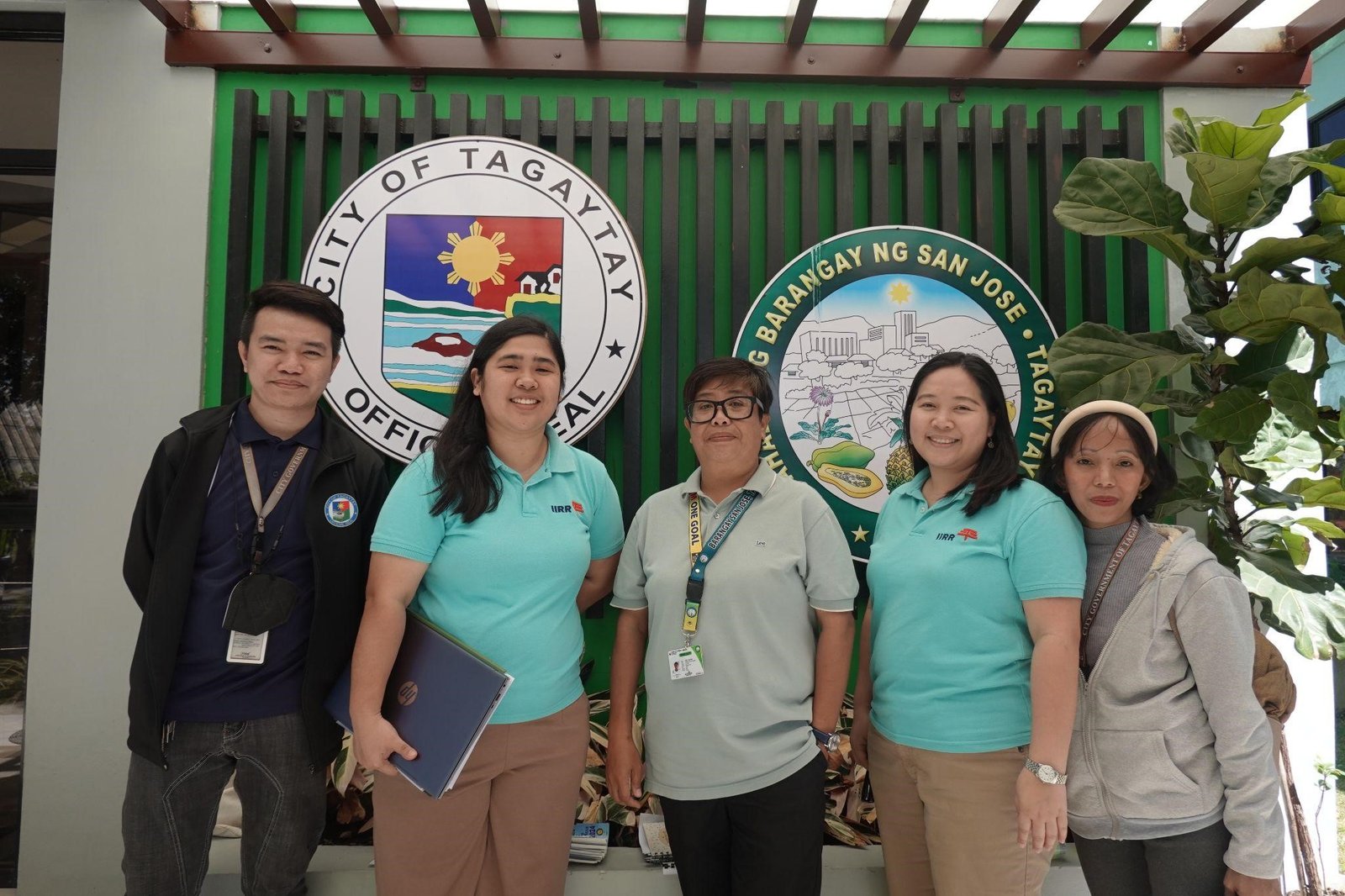
Tagaytay City, Philippines (February 27–28, 2025)–As Southeast Asian cities face growing concerns around food security, urban planning, and nutrition, research initiatives like Scoping the Opportunity for Urban and Peri-urban Agricultural Development in Southeast Asia (SUPA) are turning to communities for answers. Ground-level insights from Tagaytay’s barangays are helping shape strategies that support resilient, nutrition-sensitive urban agrifood systems.
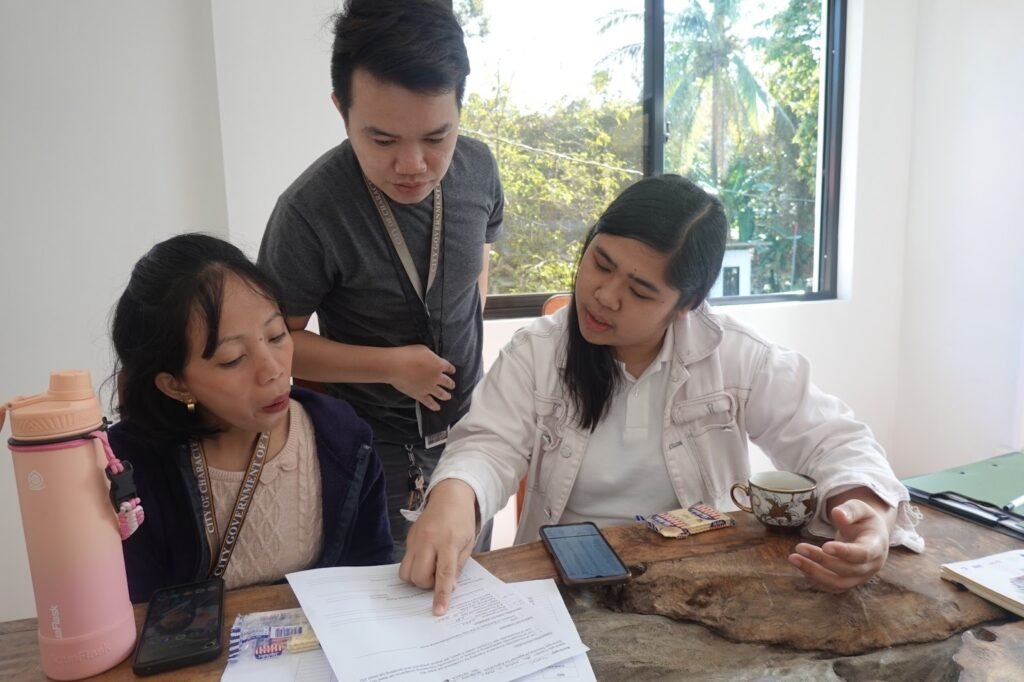
FSN Project Associate Shanerisse Tamondong surveys with Tagaytay City’s officials as part of the scoping mission
The International Institute of Rural Reconstruction (IIRR), in partnership with Tagaytay City’s Planning and Nutrition Offices, engaged barangay leaders and volunteers to map local realities, from land use changes and garden initiatives to food access barriers and community-driven nutrition efforts. These interactions revealed critical data gaps, risks, and opportunities that are now guiding the design of a cross-country household survey and broader research agenda.
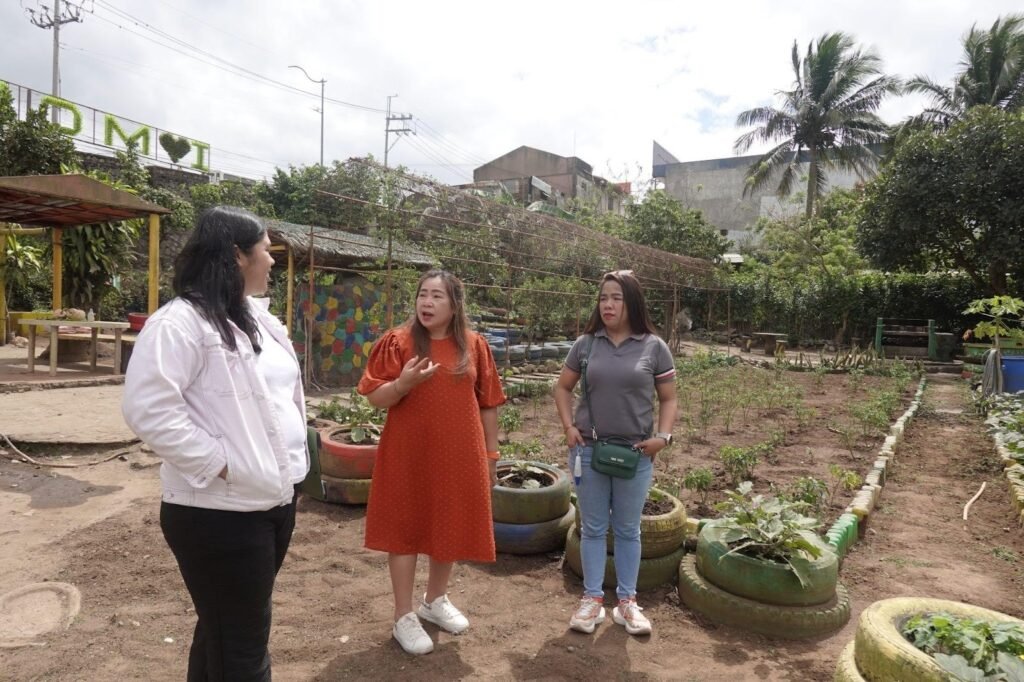
Visitation in one of the community gardens
This consultative process affirmed the potential of multi-sectoral collaboration at the barangay level, while also highlighting the need to identify both drivers and threats to sustainable urban food systems. The feedback from nine barangays is now feeding into the next phase of the SUPA project.
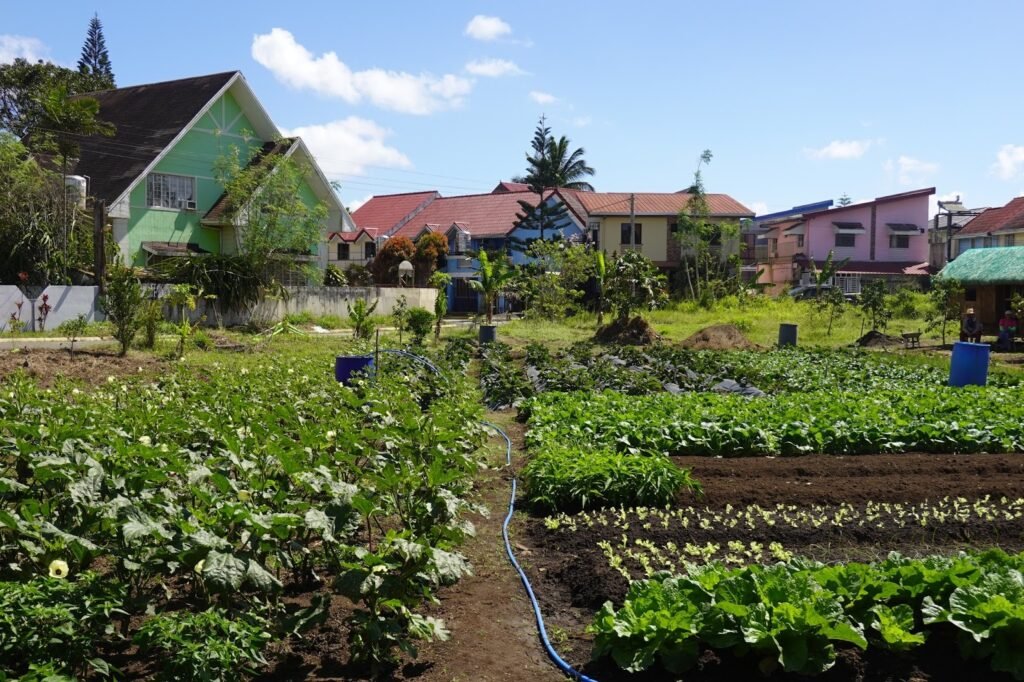
Community gardens help Tagaytay City residents have access to nutrient-dense crops
Led by the World Vegetable Center with IIRR (Philippines) and FAVRI (Vietnam), and funded by the Australian Government through ACIAR, SUPA aims to produce actionable evidence for improving food environments and integrating urban agriculture into policy and planning frameworks across the region.
Recent News