Leyte’s Peatlands and Endangered Species: Action Starts at the Community Level
Leyte, Philippines — December 6, 2025 — Leyte’s peatlands are critical for climate resilience, water regulation, and local livelihoods, yet they face increasing threats from habitat loss, overfishing, and unsustainable land use. Local government units in Palo and Alangalang, together with community partners, are taking steps to protect these ecosystems and restore endangered species.
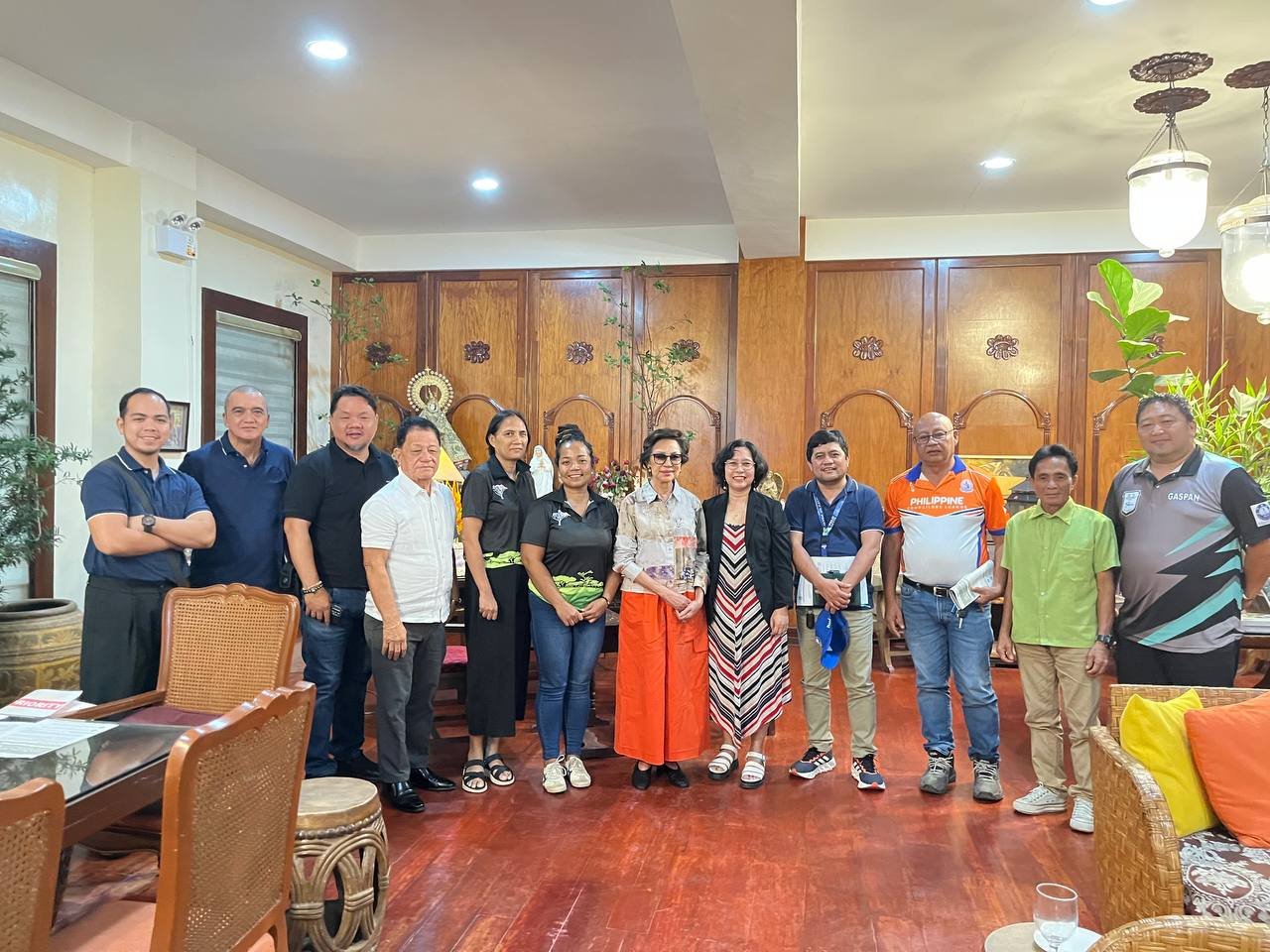
On October 21, 2025, representatives from the LUYON project, led by Project Manager Ms. Juvilyn Salazar, met with Mayor Matin L. Petilla and the Palo-LGU Management Committee to strengthen protection of the Barayong peatland. Following its official recognition by the Environmental Research and Development Bureau, additional research is being funded by IIRR through the LUYON project, while signage is being installed and demarcation efforts fast-tracked to help safeguard the ecosystem. Mayor Petilla reaffirmed the LGU’s commitment to preserve both the peatland and its biodiversity.
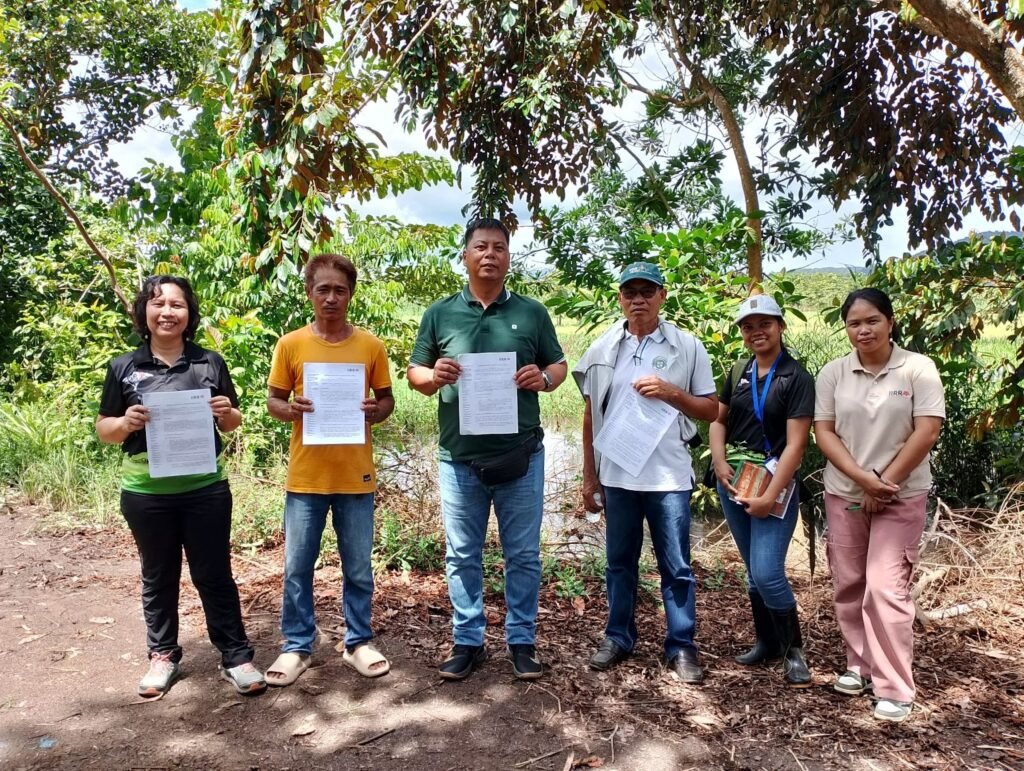
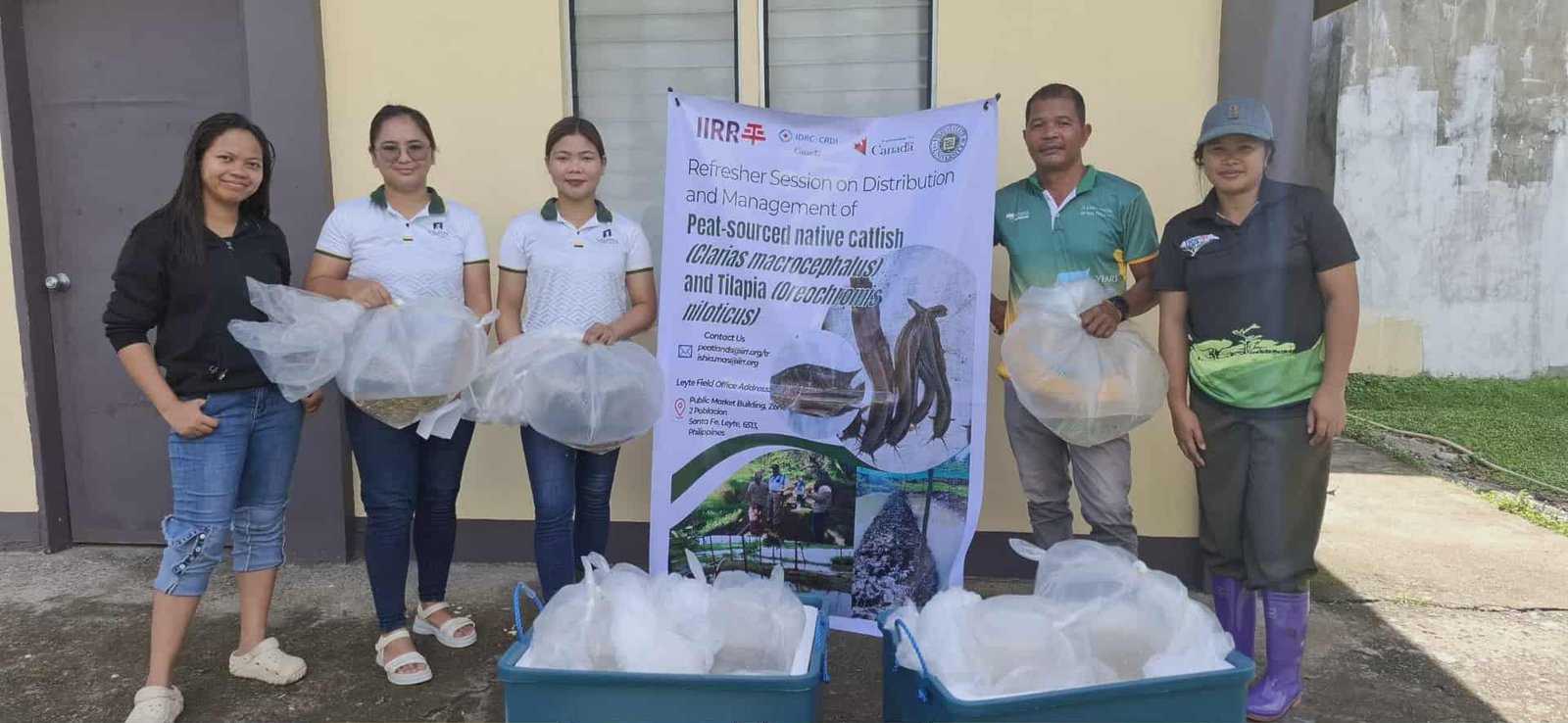
In Alangalang, the team visited partner farmer Mr. Dennis Suminig’s hatchery to support conservation of the native catfish (Clarias macrocephalus), locally known as “ebol” and listed as “near threatened.” By restoring peat-linked aquatic habitats, the initiative helps protect biodiversity while promoting nature-based climate solutions that benefit community livelihoods and strengthen ecosystem resilience in the Leyte Sab-a Basin Peatland.
“Protecting peatlands and native species is not just about conservation; it directly supports food security, livelihoods, and climate resilience for communities,” said Ms. Salazar.
The initiative is part of the LUYON project, a four-year effort supported by REDAA to strengthen local stewardship through locally-led action research.
Recent News