Fruit Trees Thrive, Farmers Adapt: Local Resilience Evident in Capiz Field Visit
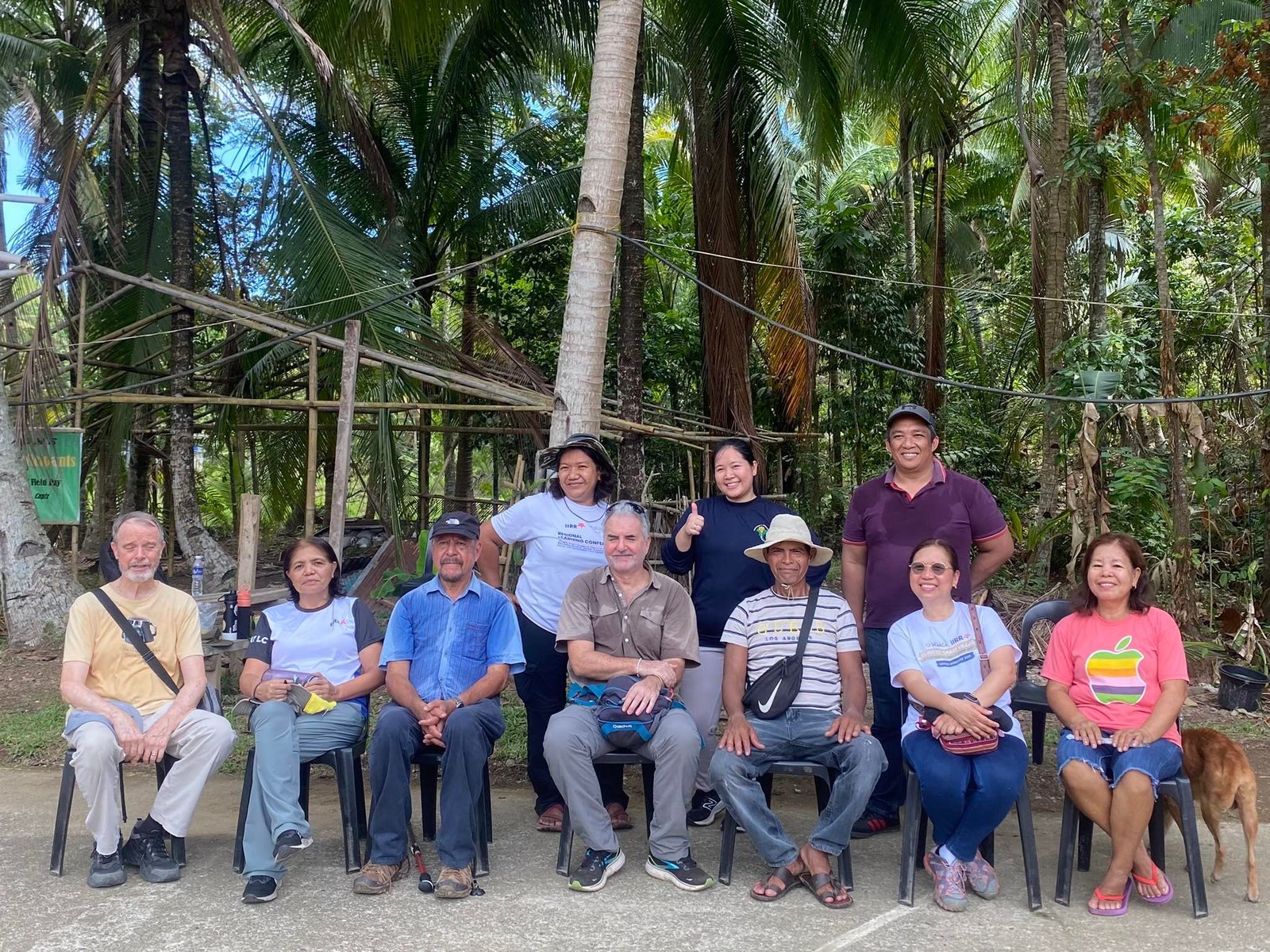
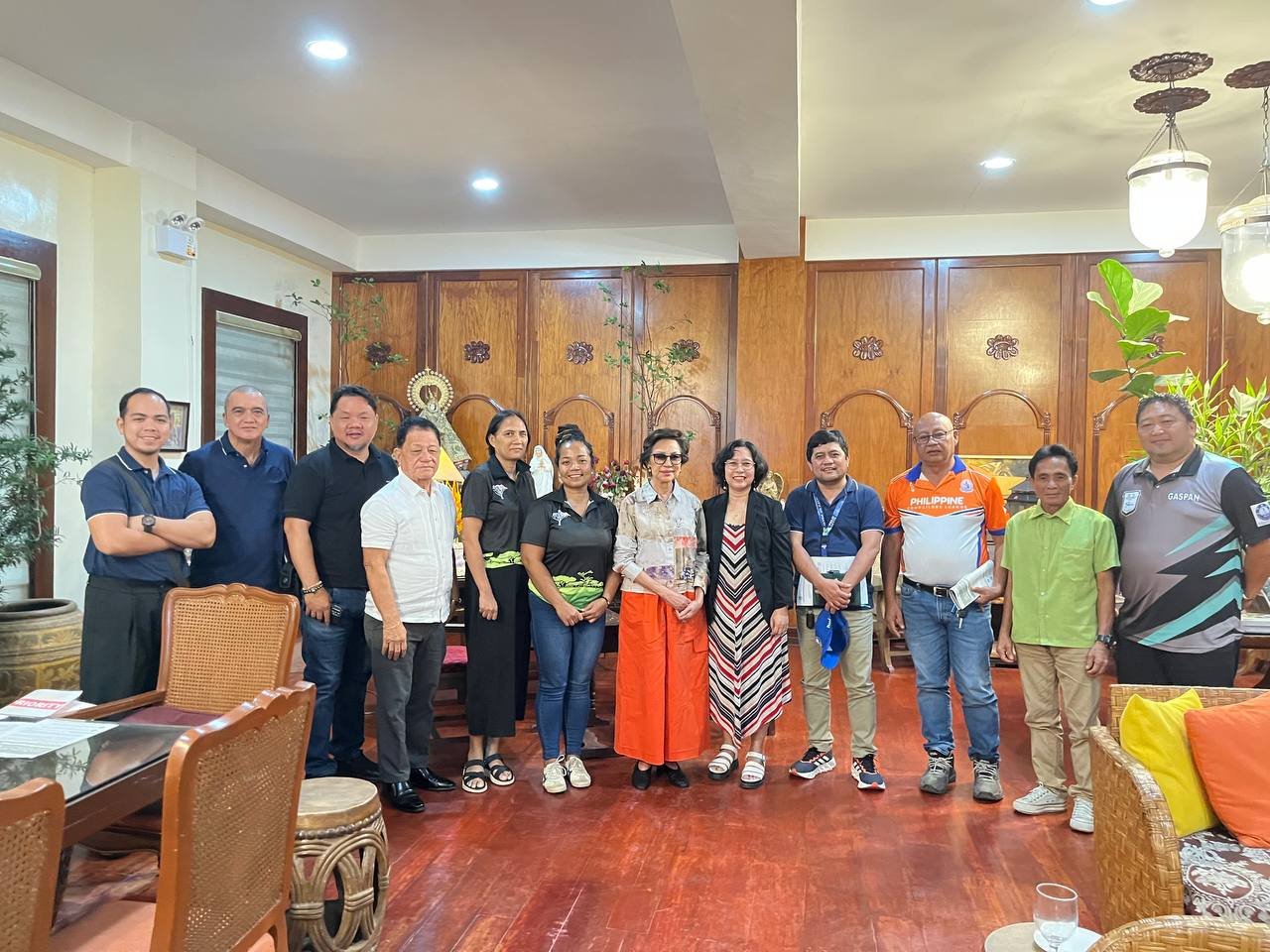
Capiz, Philippines – A recent field visit to Ivisan municipality in Capiz provided compelling evidence of how smallholder communities are successfully adapting to climate stress. Led by the International Institute of Rural Reconstruction (IIRR) and joined by Dr. Jon Hellin of the International Rice Research Institute (IRRI), along with other rural development partners, the visit aimed to assess progress in community-based resilience efforts.
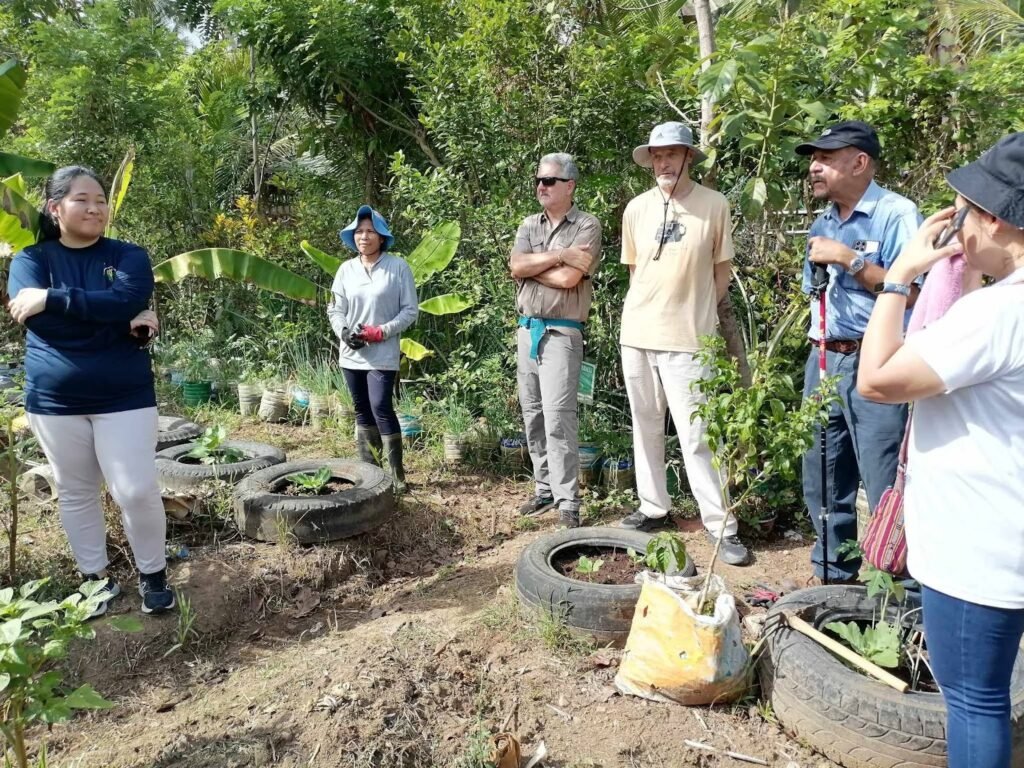
A standout observation was that over 90% of distributed fruit tree seedlings have survived a prolonged dry spell, an outcome attributed to early planning, timely technical support, and strong farmer commitment. To date, 5,193 seedlings have been distributed across seven villages, benefiting 198 farmers, many of whom are integrating the trees into diversified home gardens that support household nutrition and livelihoods.
Visits to barangays Ilaya, Agustin Navarra, and Cabugao revealed farmer-led innovations such as low-cost water harvesting and adaptive planting schedules. Conversations with farmers reflected growing confidence in managing weather variability, anchored in hands-on experience, peer learning, and responsive support systems.
Supporting these efforts, Mayor Felipe Neri Yap reaffirmed the LGU’s strong support, citing alignment with the municipality’s climate resilience and food security agenda.
These efforts are supported under ClimBeR: Building Systemic Resilience Against Climate Variability and Extremes, a CGIAR Initiative that promotes systemic climate adaptation across countries in Asia and Africa.
Recent News